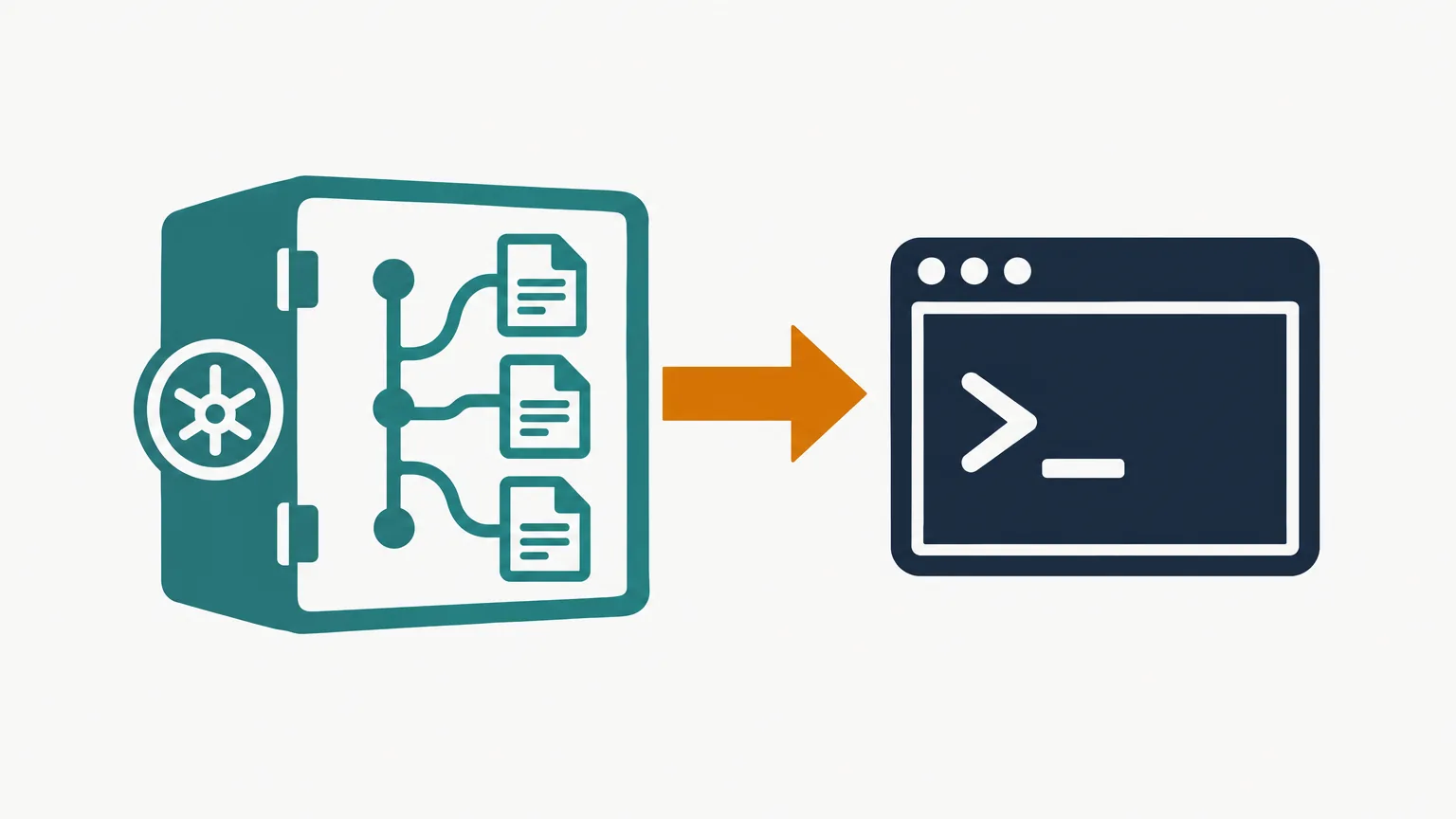
OpenAI said on November 4, 2026 that it will acquire Pierre Computer Company, the small startup behind Code Storage and the Trees and Diffs libraries already built into the Codex app. No price was disclosed, and the deal still needs regulatory approval.
Axios, which broke the news, framed it as OpenAI going after Microsoft’s GitHub. Here is what OpenAI’s announcement says, who Pierre is, what it sells, and what stays the same until the deal closes.
On this page · 7 sectionsOpen
 OpenAI said on November 4, 2026 that it will acquire Pierre Computer Company, the startup behind Code Storage. No price was disclosed.
 Pierre’s open-source Trees and Diffs libraries already power file browsing and change review in the Codex app.
 Code Storage is Git hosting for agent workloads, used by Lovable, Bolt, Amp and others for code, memory files and documents.
 Pierre was founded by Bootstrap co-creator Jacob Thornton and early Twitter engineer Ian Ownbey, and raised a $22 million Series A in November 2025.
 The deal needs regulatory approval; until it closes the two stay independent, and the open-source tools stay open source.
§ 01What OpenAI announced
OpenAI’s post calls Pierre “the company behind Code Storage and a family of standout open-source developer tools”, and points out that Codex users have already touched its work: “If you’ve browsed files or reviewed a change in the Codex app, you’ve already used Pierre’s Trees and Diffs libraries.”
The post ties the deal to Pando, the Git-compatible backend OpenAI described two days earlier. Its stated goal: “We want to make Codex the place where developers and agents take on their most ambitious projects.”
| Item | Detail |
|---|---|
| Announced | November 4, 2026, OpenAI post (RSS 14:30 UTC); Axios exclusive the same morning |
| Buyer | OpenAI |
| Target | Pierre Computer Company, Inc., San Francisco |
| Products | Code Storage (Git hosting for apps and agents); open-source Diffs, Trees, DiffsHub, Highlights |
| Already in Codex | Trees (file browsing) and Diffs (change review) |
| Price | Not disclosed |
| Status | Subject to closing conditions, including regulatory approvals |
| Until closing | The two remain separate and independent companies |
| Open source | Stays open source; OpenAI says it will keep contributing |
| Code Storage customers | Can keep using it after closing while features move into Codex |

§ 02Who Pierre is
Pierre was founded by Jacob Thornton (CEO), a co-creator of the Bootstrap front-end framework and an early Medium engineer, and Ian Ownbey (CTO), who was Twitter’s first intern. They met as early Twitter engineers, co-founded the app Bumpers, which Coinbase acquired, and then ran Coinbase’s product platform team, according to their Y Combinator launch post.
That February 2023 post pitched Pierre as a new way to review code, under the heading “Github doesn’t solve today’s biggest engineering problems”. The company later moved down the stack into infrastructure. On November 12, 2025 Thornton announced a $22 million Series A: “We’re pleased to announce our recent Series A with CRV and 01A.”
§ 03What Code Storage does
Code Storage is Git hosting built for software that writes code, not for people pushing commits. Its homepage says it “powers the largest agentic workloads in the industry to store code and other machine generated artifacts at scale using git”, and lists Lovable, Poke, Anything, Bolt, Amp and Parahelp as users. Several of those use it for more than code: agent memory files, design artifacts and documents that change over time.
That is the overlap with GitHub that Axios pointed to. Axios wrote that OpenAI “will acquire Pierre Computer, a developer tools startup whose technology is already embedded in Codex”. Code Storage’s own customers are mostly app builders whose agents generate code, which is a different buyer from GitHub’s core of human teams.
§ 04What stays the same, for now
- The open-source tools. “Pierre’s open-source projects will remain open-source, and we’ll continue to contribute to them.”
- Code Storage. Customers can keep using it after the deal closes while OpenAI moves its features into Codex. OpenAI gave no shutdown date.
- Independence until closing. “Until closing, OpenAI and Pierre will remain separate and independent companies.”
§ 05What OpenAI did not say
- The price, or how many Pierre staff join OpenAI.
- When it closes, beyond the need for regulatory approval.
- What happens to Code Storage customers who compete with OpenAI, such as other coding-agent and app-builder products.
- Whether Codex gets a public Git hosting product. The post says OpenAI wants to “advance the future of source control across the industry”, which leaves room but names nothing.
§ 06Code, agents and the record of work
The pattern in Pierre’s customer list is that agents now produce files that need history: code, memory, documents. CellCog’s AI employees keep that record on their own secure VM and file system, and an AI software engineer can work in your repository with every command above your approval level waiting for your yes.
§ 07Sources
- OpenAI, OpenAI to acquire Pierre Computer Company, Inc., November 4, 2026.
- Axios, Exclusive: OpenAI targets Microsoft’s GitHub with deal, November 4, 2026.
- Pierre, Pierre raises $22M, November 12, 2025.
- Y Combinator, Pierre: a new way to review code, February 23, 2023.
- Code Storage homepage, read November 4, 2026.
Q1Who founded Pierre?
Jacob Thornton, a co-creator of Bootstrap, and Ian Ownbey, Twitter’s first intern. They met as early Twitter engineers and later ran Coinbase’s product platform team.
Q2What is Code Storage?
Pierre’s Git infrastructure for apps and agents that generate code. Lovable, Poke, Anything, Bolt, Amp and Parahelp use it to store code, agent memory files and documents.
Q3Is Pierre already part of Codex?
Its Trees and Diffs libraries already power file browsing and change review in the Codex app, according to OpenAI.
Q4Is OpenAI competing with GitHub?
Axios framed the deal that way. OpenAI’s own post talks about source control for developers and agents and does not mention GitHub.
Q5When will the deal close?
OpenAI did not give a date. Closing depends on customary conditions including regulatory approvals; until then the companies stay independent.