On the October 29, 2026 episode of Cheeky Pint, John Collison’s podcast, Sam Altman argued that memory chips sitting in personal computers are a poor use of a scarce supply. By November 1 the line had become a meme: the five most-viewed X posts about it had passed 950,000 views, most of them jokes about home PCs with 64 GB of RAM. This page gives the full quote from the episode transcript, where it sits in the conversation, and the memory-market numbers the same week.
On this page · 7 sectionsOpen
 On Cheeky Pint, published October 29, 2026, Sam Altman said DRAM sitting in personal computers is a poor use of the world’s limited memory supply.
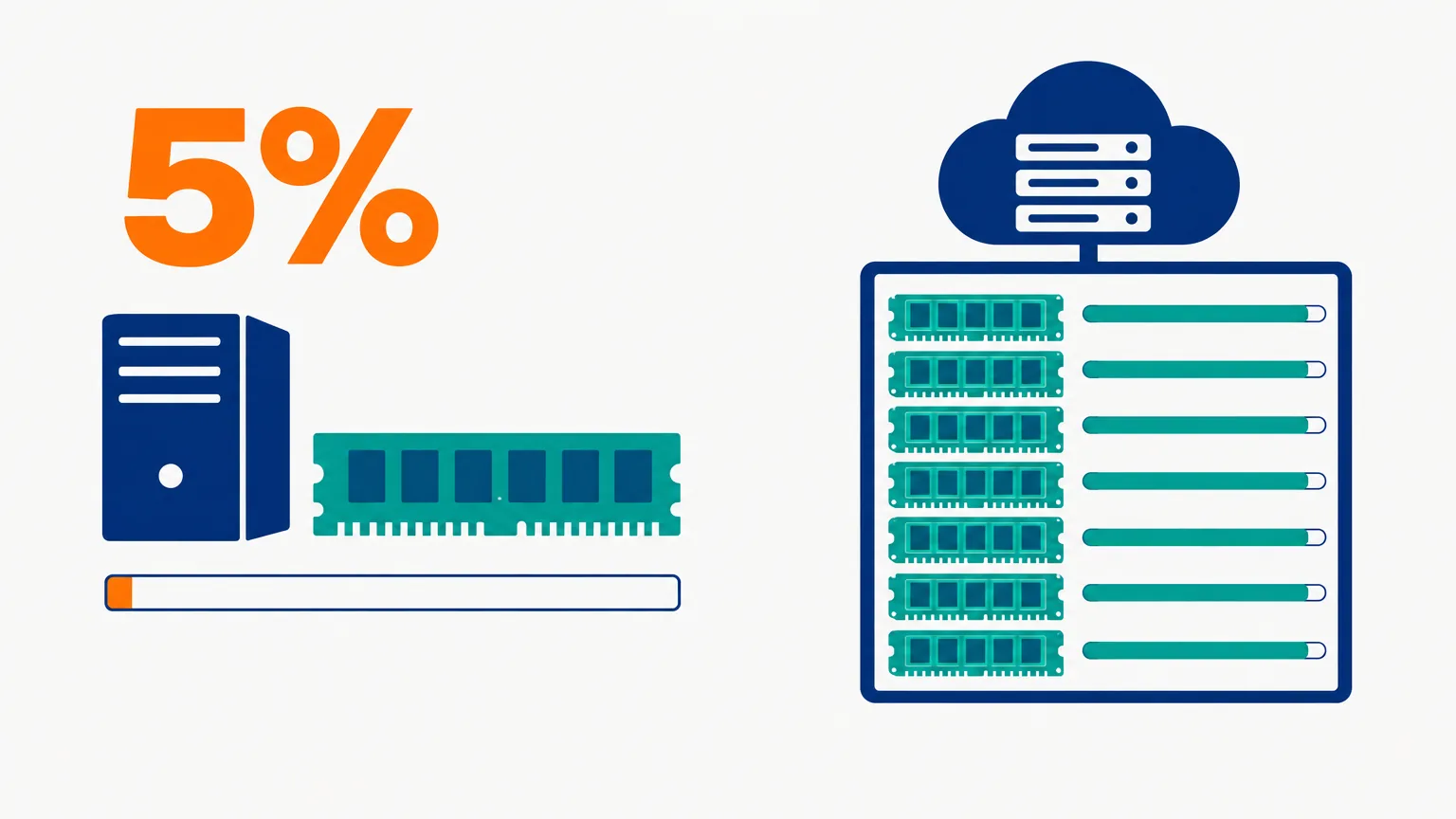
 His argument is utilization: memory in one person’s computer is used about 5% of the time, while the cloud can run it near full.
 He said DRAM makers long spent about $20 billion to make about $19 billion, which is why they stay cautious about building new fabs.
 Samsung’s memory business set a quarterly record, and TrendForce expects PC DRAM contract prices to rise another 13% to 18% this quarter.
 Local inference keeps data on the machine and works offline, and Altman sells cloud inference: two points his critics raised.
§ 01What Altman said, word for word
Collison asked why high memory prices were not pulling new makers into the market. Altman answered: “I think the invisible hand is failing right now.” He then explained why DRAM makers are cautious. For a long time, he said, a producer would “invest $20 billion of CapEx to make $19 billion”, swinging through booms and busts, and only now are those firms making far more than that.
A minute later he turned to local inference, the idea of running open models on your own computer instead of in a data center:
“But from a global allocation perspective, actually, it’s quite terrible to have everybody have a bunch of the world’s limited supply of DRAM sitting in their own computer.”
Collison murmured agreement, and Altman finished the thought: the memory is used 5% of the time. Then: “You want maximum utilization in the cloud if you’re trying to deal with this very supply constrained environment.” And last: “Many people’s intuition is the opposite of that.”

| Time | Speaker | What was said |
|---|---|---|
| 27:49 | Altman | DRAM makers historically spent about $20B of capex to make about $19B |
| 29:11 | Altman | A lot of people want local inference and assume open models solve it |
| 29:33 | Altman | Home DRAM sits idle most of the time; the cloud runs it near full |
| 52:45 | Episode ends (52 min long) |
He was not saying PCs should have no memory. His argument is about utilization: the same chip in a server serves many people, while the chip in one person’s machine mostly waits.
§ 02The numbers he used
Altman’s figures are round numbers spoken on a podcast, not company filings, so treat them as his sketch of the industry.
His explanation for why makers still hold back: “they all remember their history”, the years they nearly went bankrupt building too many fabs.
§ 03What the memory makers say
The same week, the makers’ own numbers matched the shortage he described. Samsung reported its third quarter on October 29: the memory business set an all-time high for quarterly revenue and operating profit, and the company wrote that in 2027 “increasing AI-driven demand will far exceed the industry supply in comparison with 2026” (Samsung).
| Measure | Figure | Source |
|---|---|---|
| Samsung DS Division revenue, Q3 2026 | KRW 147.1 trillion | Samsung Q3 release, Oct 29 |
| Samsung DS Division operating profit, Q3 2026 | KRW 106.5 trillion | Samsung Q3 release, Oct 29 |
| PC DRAM contract prices, Q3 2026 | Up 18% to 23% | TrendForce via Chosun Biz, Oct 30 |
| PC DRAM contract prices, Q4 2026 forecast | Up 13% to 18% | TrendForce via Chosun Biz, Oct 30 |
| Korean makers’ PC DRAM output, 2027 | Down more than 20%, possibly over 40% | TrendForce via Chosun Biz, Oct 30 |
Chosun Biz reported that PC DRAM prices hit a record high again in October because Samsung and SK hynix are moving capacity to server memory. That is the link to Altman’s point: home PCs and AI servers draw on the same factories, and the factories are choosing servers.
§ 04The case against it
The backlash was not only memes. Local inference has reasons that utilization math does not capture: data that never leaves the machine, work that runs offline, no per-token bill, and no dependence on one provider’s uptime or policy. The memory in a laptop is also mostly ordinary DRAM, while the scarcest AI memory is HBM made for accelerators, so the two are not simply interchangeable.
Altman also runs a company that sells cloud inference, which critics pointed out. It is not his first big-picture claim this month either: he has also described three AI safety endgames to staff. That does not make the utilization argument wrong, but it is the context for reading it.
§ 05Where this meets AI employees
CellCog’s AI employees sit on the cloud side of this trade: each one runs on its own secure machine with its own file system and browser, so the work keeps going when your laptop is closed. The question Altman raises, who should hold the hardware, is one every team running agents now answers, usually without noticing.
§ 06What we are watching
- Any clarification from Altman or OpenAI on local models and devices.
- New DRAM capacity announcements from Samsung, SK hynix or Micron.
- TrendForce’s first-quarter 2027 contract price outlook for PC DRAM.
§ 07Sources
- Cheeky Pint, “Why Sam Altman is against a single superintelligence”, October 29, 2026, and its transcript
- Samsung Electronics third quarter 2026 results, October 29, 2026
- Chosun Biz on PC DRAM prices and TrendForce’s outlook, October 30, 2026
Q1Did Sam Altman say people should not have RAM?
No. He said that from a global allocation perspective, idle memory in personal computers is a poor use of a scarce supply, and that the cloud can use the same chips far more of the time.
Q2What podcast was it?
Cheeky Pint, hosted by Stripe co-founder John Collison. The episode, titled Why Sam Altman is against a single superintelligence, was published on October 29, 2026.
Q3Why are memory prices so high?
Makers such as Samsung and SK hynix are moving capacity to server memory for AI. TrendForce, as reported by Chosun Biz, expects PC DRAM contract prices to rise 13% to 18% in the fourth quarter of 2026.
Q4Why don't memory makers just build more factories?
Altman’s explanation was history: for years DRAM makers spent about $20 billion to make about $19 billion, and many nearly went bankrupt building too many fabs, so they are cautious even with record profits.
Q5Is local AI still worth running?
For many uses, yes: local models keep data on the machine, work offline and carry no per-token bill. Altman’s point is about the global supply of chips, not about any one person’s setup.