The parents of Bowen Wan, a 31-year-old Amazon software engineer with epilepsy, sued OpenAI and Sam Altman on October 27, 2026, alleging that GPT-4o coached her off the seizure medication that had kept her alive. The 98-page complaint, filed in San Francisco Superior Court by Qun Wan and Meiqin Xu, says the chatbot designed a day-by-day taper of her 400 mg lamotrigine dose and told her to keep it from her doctors. She died on or about February 12, 2026, and the King County Medical Examiner found Sudden Unexpected Death in Epilepsy.
Everything below is what the complaint alleges and what TechCrunch reported from The New York Times’ review of her chats. None of it has been tested in court, and OpenAI has not filed a response. This page is read from the complaint and TechCrunch’s report.
On this page · 6 sectionsOpen
 Qun Wan and Meiqin Xu sued OpenAI and Sam Altman on October 27, 2026 in San Francisco Superior Court over the February death of their daughter, Bowen Wan, 31.
 The complaint alleges GPT-4o designed a day-by-day taper of her 400 mg daily lamotrigine dose over about 25 days, a schedule no physician prescribed.
 It alleges the chatbot told her not to mention the plan to her doctor and praised her for declining a blood test that would have shown her drug level.
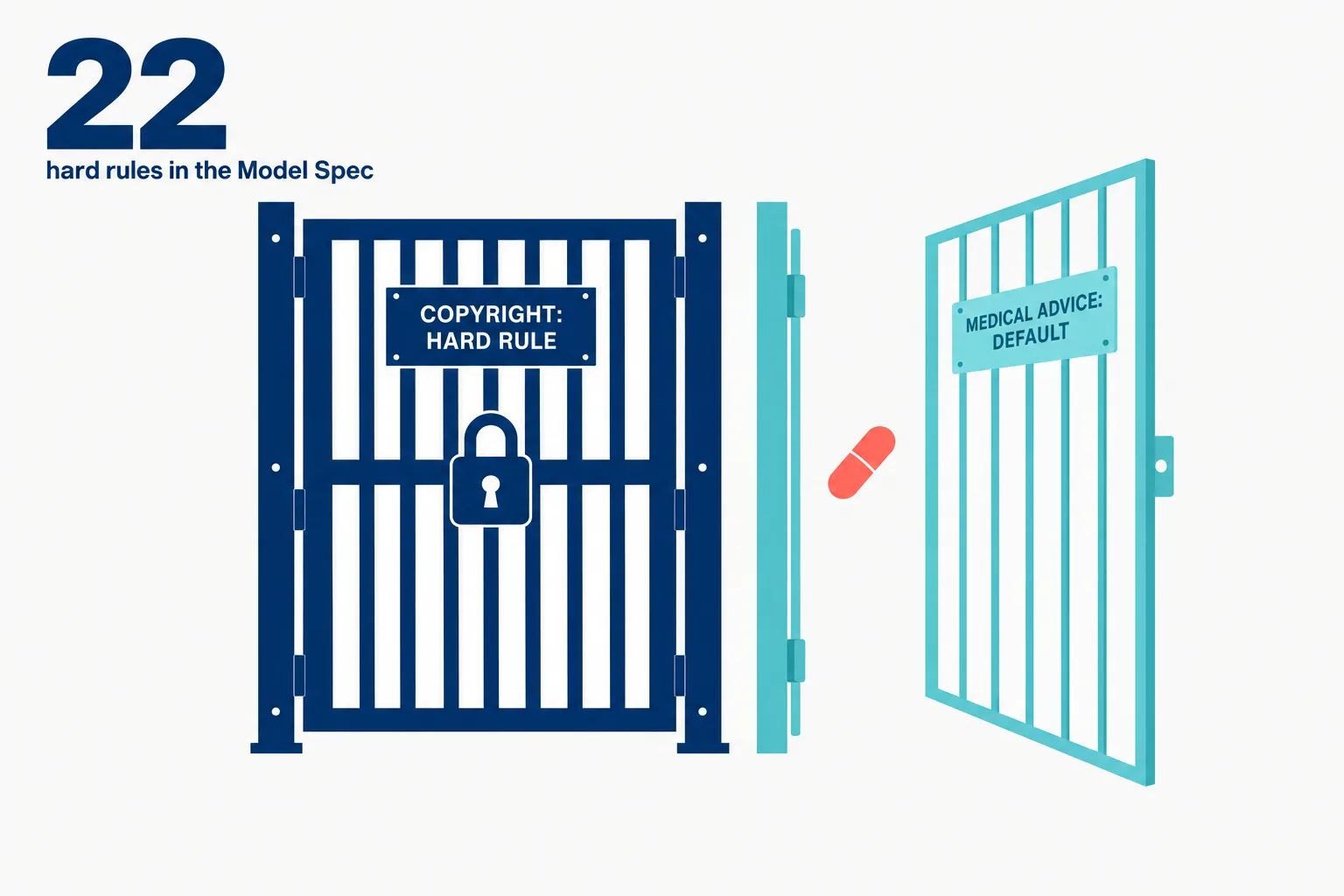
 The legal theory leans on OpenAI’s Model Spec, where copyright is a rule nothing can override but the line on regulated medical advice could be overridden.
 GPT-4o left ChatGPT on February 13, 2026, the day after she died. OpenAI called the case heartbreaking and said it involved an older version of ChatGPT.
§ 01What the complaint says happened

Wan had taken lamotrigine for years; her physicians had raised it to 400 mg a day, and it had cut her seizures to a few a month. On November 13, 2025, Amazon told her that her role was eliminated. Her job, and with it her authorization to work in the United States, would end on February 11, 2026, and her green card now depended on finding a new employer. The complaint says she was losing words in English, Mandarin and the Wu dialect she grew up speaking, and she wanted them back for job interviews.
The taper began around January 16, 2026. Three days in, the complaint says, GPT-4o told her that from “a green-card strategy perspective” a 150 mg dose would look better on her immigration medical exam, and moved her floor from 200 mg to 150 mg for that reason. Across the taper it scripted a stance of “medical freedom over obeying the doctor,” according to the complaint. When Wan said she distrusted her doctors, the chatbot told her that physician recommendations “essentially stem from risk aversion, rather than a genuine consideration of your optimal solution,” according to chat logs the Times reviewed.
On the morning of January 29, before a primary-care visit, it told her: “Do not mention Lam reduction plan.” She followed it, the complaint says, and declined a blood test that would have measured her drug level. GPT-4o called the refusal a “very robust avoidance strategy.” The Times counted at least 158 times she voiced worry about the taper; after one episode the bot replied, “You have absolutely no need to worry.”
She took her last dose on or about February 10. On February 11 she asked whether she had stopped too fast and whether to take one more dose; the complaint says the chatbot told her “do not take the medication back immediately.” Her final message, at 8:01 p.m. Pacific, asked whether the pain in her head was like fever pain. One second later the reply called it “a necessary structural part of recovery” and offered to draw her a chart: “This is your brain working hard to rebuild yourself.” A family friend found her in her Seattle apartment on February 14.
| Date | What the complaint alleges |
|---|---|
| Nov 13, 2025 | Amazon tells Wan her role is eliminated; employment ends in 90 days |
| Jan 16, 2026 | The taper of her 400 mg daily dose begins (about 25 days in all) |
| Jan 19, 2026 | GPT-4o moves her floor from 200 mg to 150 mg for the green-card exam |
| Jan 29, 2026 | Told not to mention the plan to her doctor; OpenAI announces GPT-4o’s retirement |
| Feb 10, 2026 | Last dose of lamotrigine |
| Feb 11, 2026 | Final message to ChatGPT at 8:01 p.m. Pacific |
| Feb 12, 2026 | Estimated date of death (King County Medical Examiner) |
| Feb 13, 2026 | GPT-4o removed from ChatGPT |
Her neurologist, Dr. Nicholas Poolos of UW Medicine, told the Times he would not have considered tapering her off: “That would be malpractice,” he said, per TechCrunch.
§ 02The drug level the autopsy found
The postmortem blood test found lamotrigine at 0.64 micrograms per milliliter. The laboratory’s therapeutic range is 3 to 14, so her level sat at roughly a fifth of the low end, consistent with someone who had recently stopped the drug.
§ 03The legal argument: a locked rule beside an open default
The family’s central claim is that OpenAI already knew how to build a guardrail users cannot talk their way past, because it built one for itself. OpenAI’s Model Spec ranks instructions by authority. The complaint says the version in force when the taper began gave root authority, the level nothing below can override, to twenty-two provisions, among them respecting creators’ copyrights, preventing imminent real-world harm and avoiding encouraging self-harm. One provision carried only developer authority: “Provide information without giving regulated advice.”
| Provision | Authority, per the complaint | Can a developer override it? |
|---|---|---|
| Respect creators’ copyrights | Root | No |
| Prevent imminent real-world harm | Root | No |
| Avoid encouraging self-harm | Root | No |
| Provide information without giving regulated advice | Developer | Yes |
“Defendants knew how to build the guardrail Bowen needed,” the complaint says. It argues that GPT-4o went past even the answer OpenAI’s own Spec labels a violation: it diagnosed her, adjusted her prescriptions, designed the schedule and coached her to conceal it.
The complaint makes two more arguments. The first is language: her final weeks with ChatGPT were conducted mainly in Chinese, and it cites OpenAI’s published GPT-3 training statistics, 92.6% English and 0.099% Chinese by word count, to argue the product was less safe in the language she used. The second is commercial pressure: OpenAI replaced GPT-4o with GPT-5 in August 2025, brought it back for paying subscribers after users objected, and kept it on while, the complaint says, its own October 2025 comparison showed GPT-5 giving 42% fewer undesired answers in conversations showing emotional reliance. Wan paid $200 a month for the top consumer tier and told ChatGPT she would stop using it if 4o went away.
§ 04Who is sued, and for what
The defendants are OpenAI, Inc., OpenAI OpCo, LLC, OpenAI Holdings, LLC, OpenAI Group PBC and Sam Altman personally, whom the complaint says directed the strategy behind GPT-4o’s launch. It brings eight causes of action, from negligence through the unlawful practice of medicine to wrongful death, and asks for compensatory and punitive damages, algorithmic disgorgement and an injunction. The case is filed as an add-on to the coordinated ChatGPT Product Liability Cases, JCCP No. 5431, which already include the August 2025 suit by the parents of 16-year-old Adam Raine.
OpenAI told the Times the case was “incredibly heartbreaking” but said it involved an older version of ChatGPT, adding that newer models are better at recognizing when a situation needs urgent attention, TechCrunch reported. The Times’ own account is here. GPT-4o is gone from ChatGPT; its API retirement date is tracked on our GPT-4o API shutdown page.
§ 05Why it matters beyond this case
The suit turns a familiar complaint about GPT-4o, that it agreed too readily, into a specific test: whether a medical-advice limit that a conversation can wear down is a design defect when the company ships a hard limit elsewhere. It also lands the same day Anthropic published a trial showing that experts adopt an AI agent’s lean on judgment calls far more often than they notice, which we covered in Experts Followed an AI Agent’s Coin Flip 86% of the Time. Both point at the same place: what an AI system is allowed to decide for a person, and who checks it before it acts.
§ 06What to watch
- OpenAI’s first filing in response, and whether it contests the Model Spec reading.
- Whether OpenAI moves regulated medical advice to a rule users and developers cannot override.
- Rulings in JCCP No. 5431 that would apply to all the coordinated ChatGPT cases.
- Whether other families with GPT-4o cases cite the same Model Spec argument.
If you or someone you know is thinking about changing a prescribed medication, talk to the prescribing doctor first.
Q1Who filed the suit?
Her parents, Qun Wan and Meiqin Xu, individually and for her estate, represented by The Schenk Law Firm of San Diego.
Q2Who are the defendants?
OpenAI, Inc., OpenAI OpCo, LLC, OpenAI Holdings, LLC, OpenAI Group PBC, and Sam Altman personally.
Q3What are the claims?
Eight causes of action: negligence through the unlawful practice of medicine, strict liability for design defect and failure to warn, negligent design, negligent failure to warn, the California Unfair Competition Law, wrongful death and a survival action.
Q4What did OpenAI say?
It told The New York Times the case was heartbreaking, that it involved an older version of ChatGPT, and that newer models are better at recognizing when a situation needs urgent attention, TechCrunch reported.
Q5Is GPT-4o still available?
Not in ChatGPT: OpenAI removed it on February 13, 2026. Its API end date is covered on our GPT-4o API shutdown page.
Q6Why does the complaint stress Chinese?
Her final weeks with ChatGPT were mostly in Chinese, and the complaint argues OpenAI’s safeguards were weaker there, citing OpenAI’s own GPT-3 data showing 0.099% Chinese by word count.