Skip to content
AI EmployeeSuper-AgentsAgent-to-AgentPricingBlogStoryContact
The AI Employee Library / Insights

Insights

Category thinking, cost models and organisational design — the arguments behind the practice, written to be argued with.

39Insights
3Sections
9Topics
31 JULLast updated
Insights — page 2 25–39 of 39
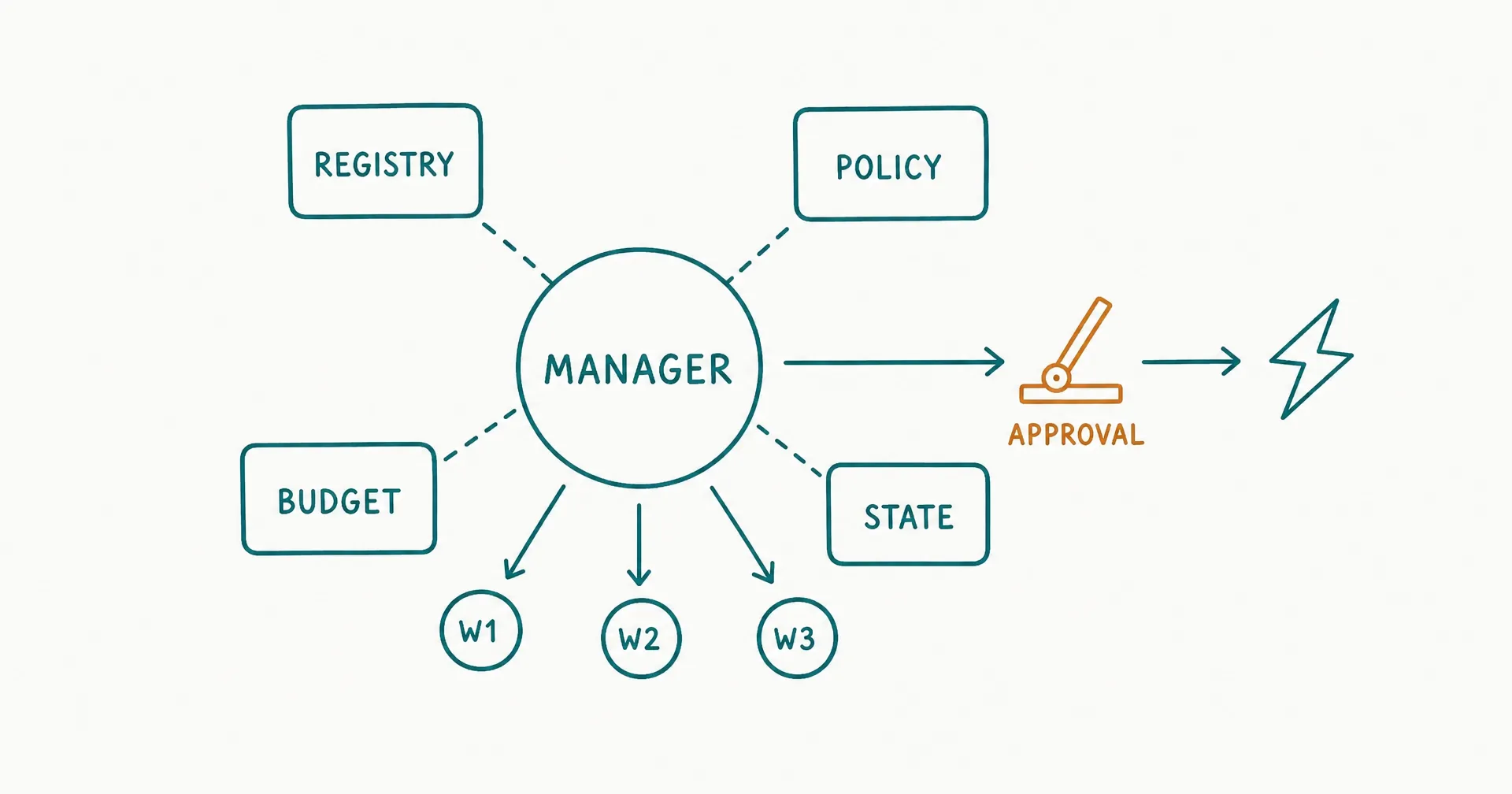
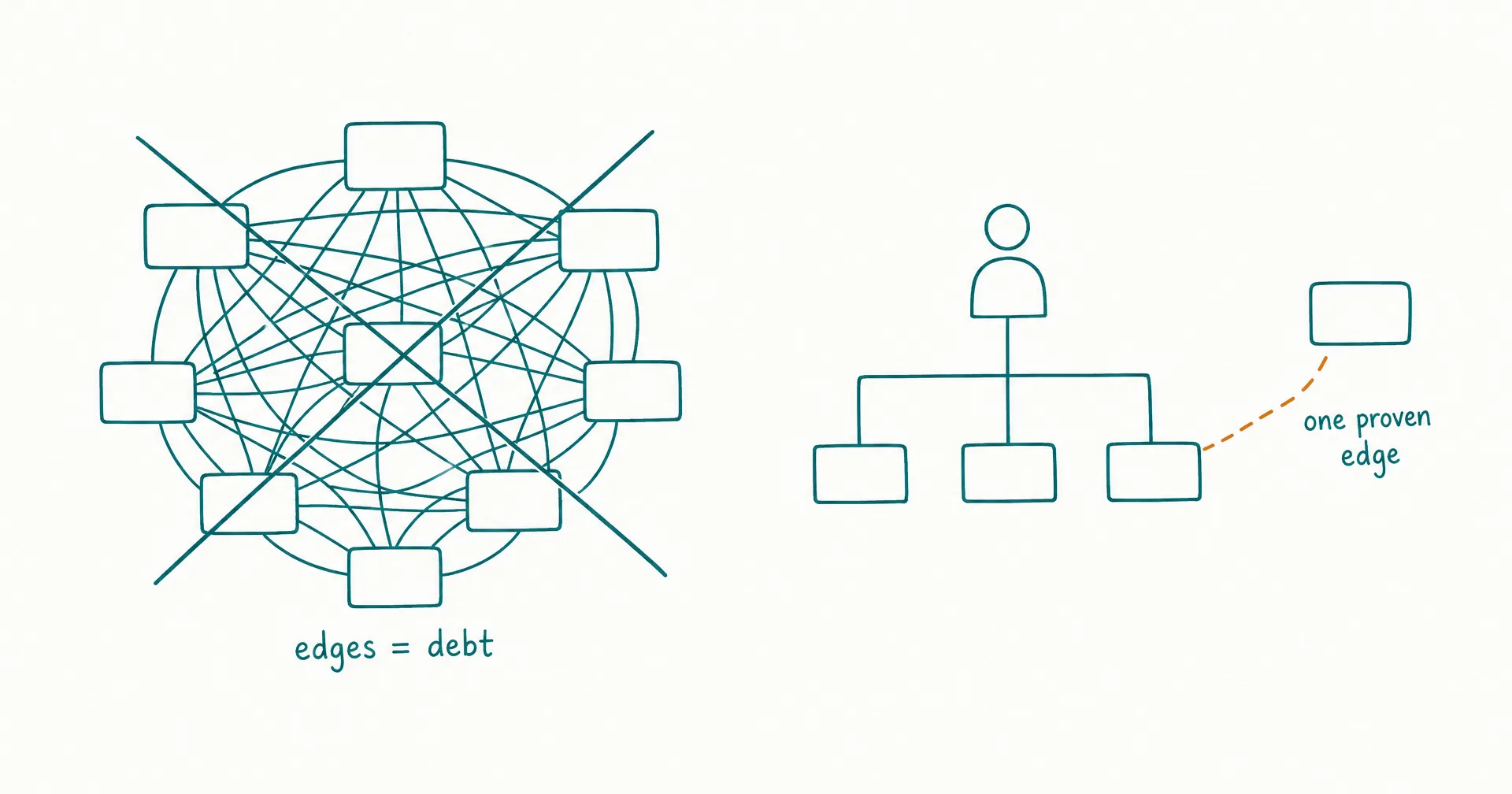
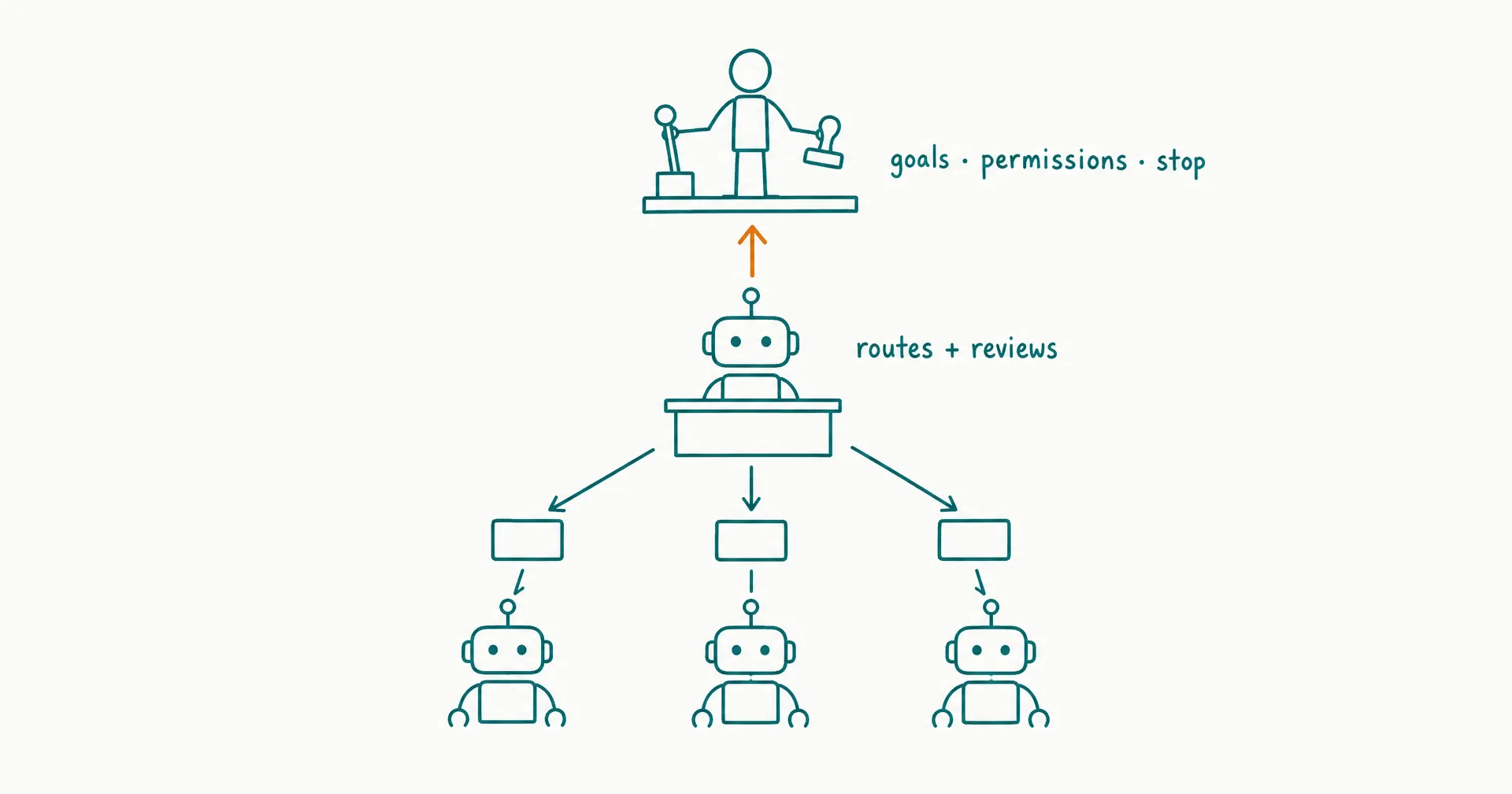
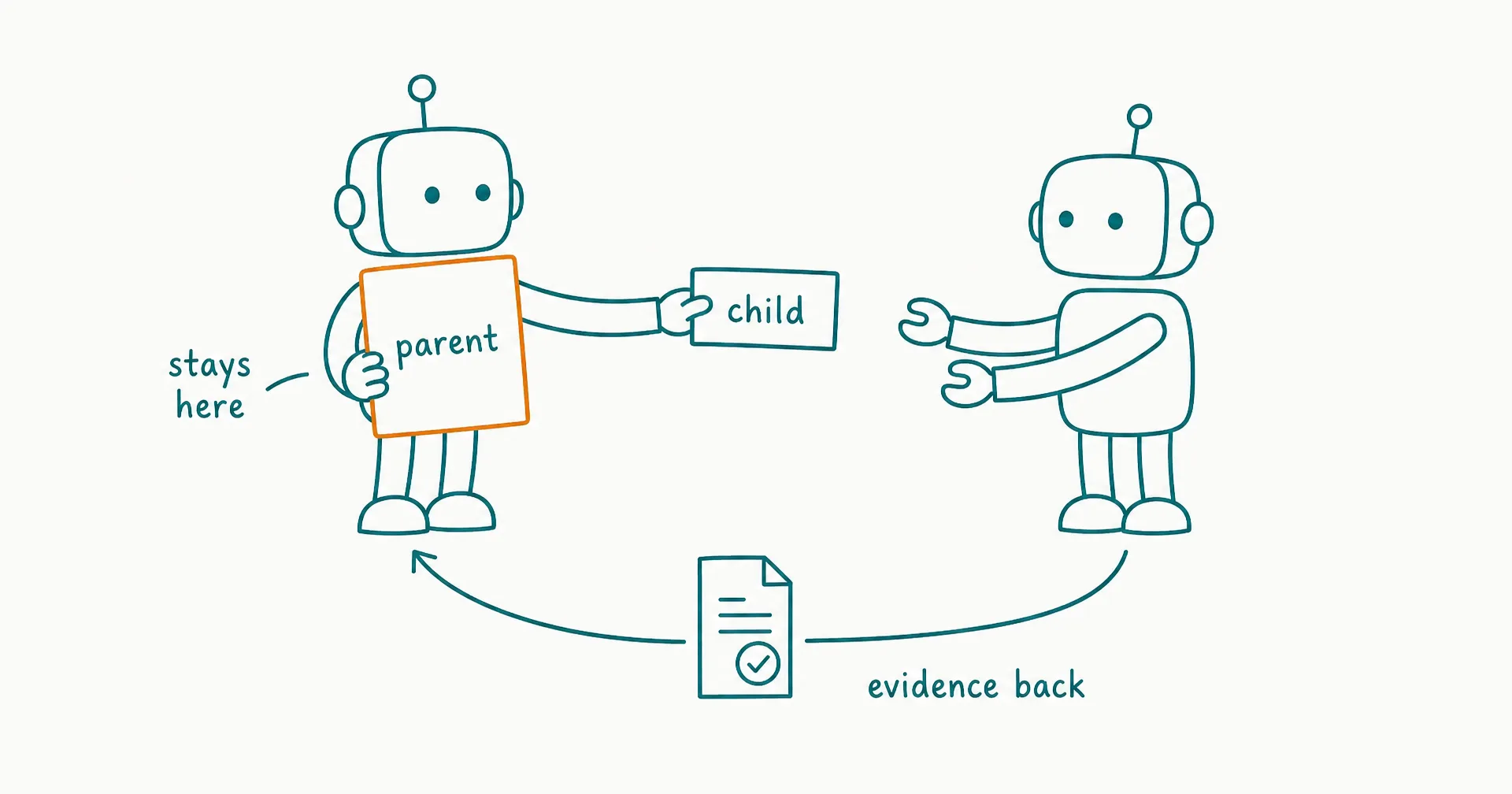
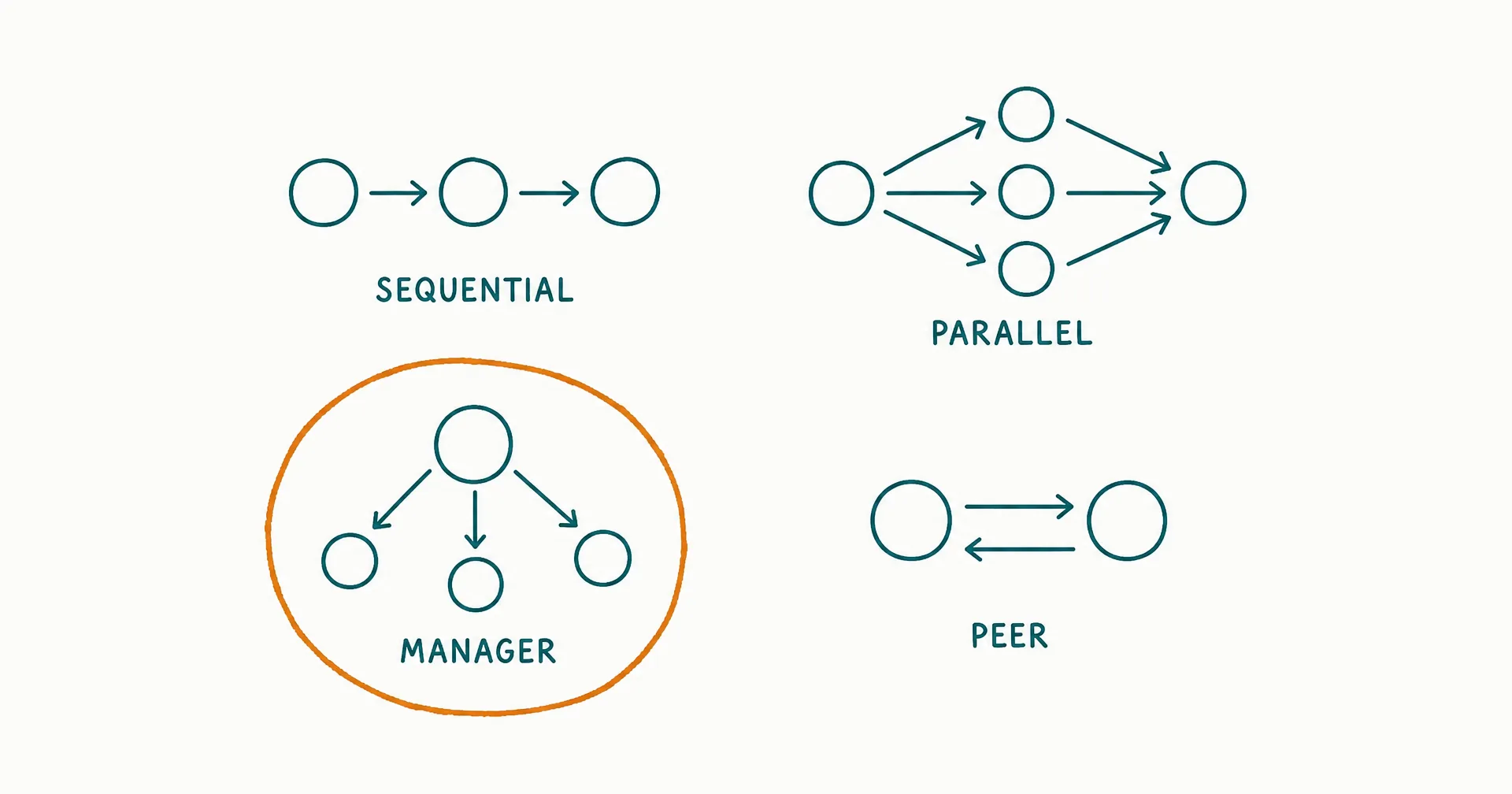
31 JUL 2026 AI Agent Orchestration Patterns: Sequential, Parallel, Manager, and Peer Six patterns cover most deployed designs. The right one is the least complex topology that removes a measured bottleneck - and a single agent plus tools is always the baseline. InsightsMulti-agent 26 min
Napkin-style sketch of four small topology diagrams in a two-by-two grid - a straight chain of nodes, a fan-out of parallel branches rejoining, a hub with spokes to specialist nodes, and two peer nodes exchanging a task - with an amber highlight circling the hub diagram
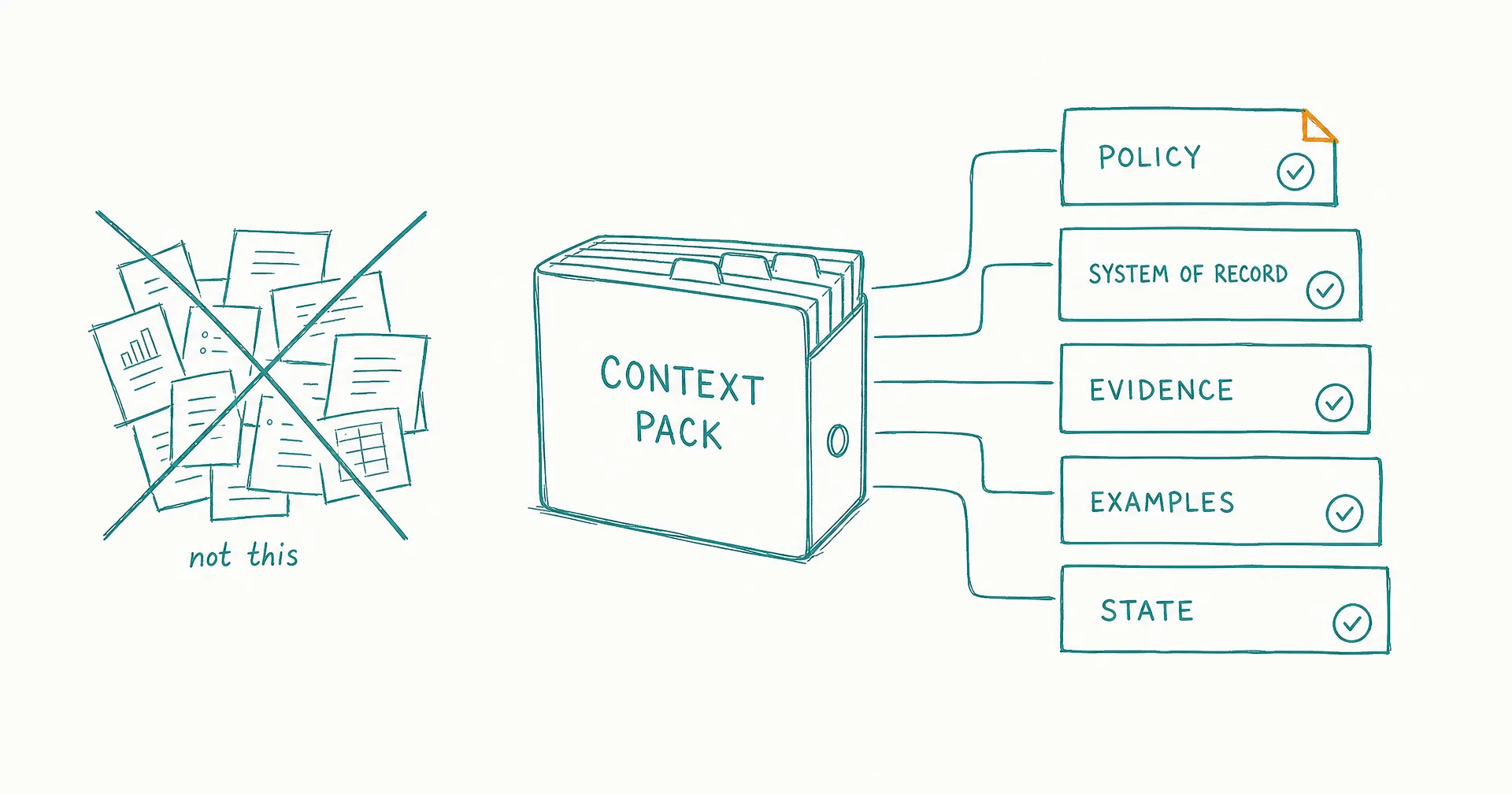
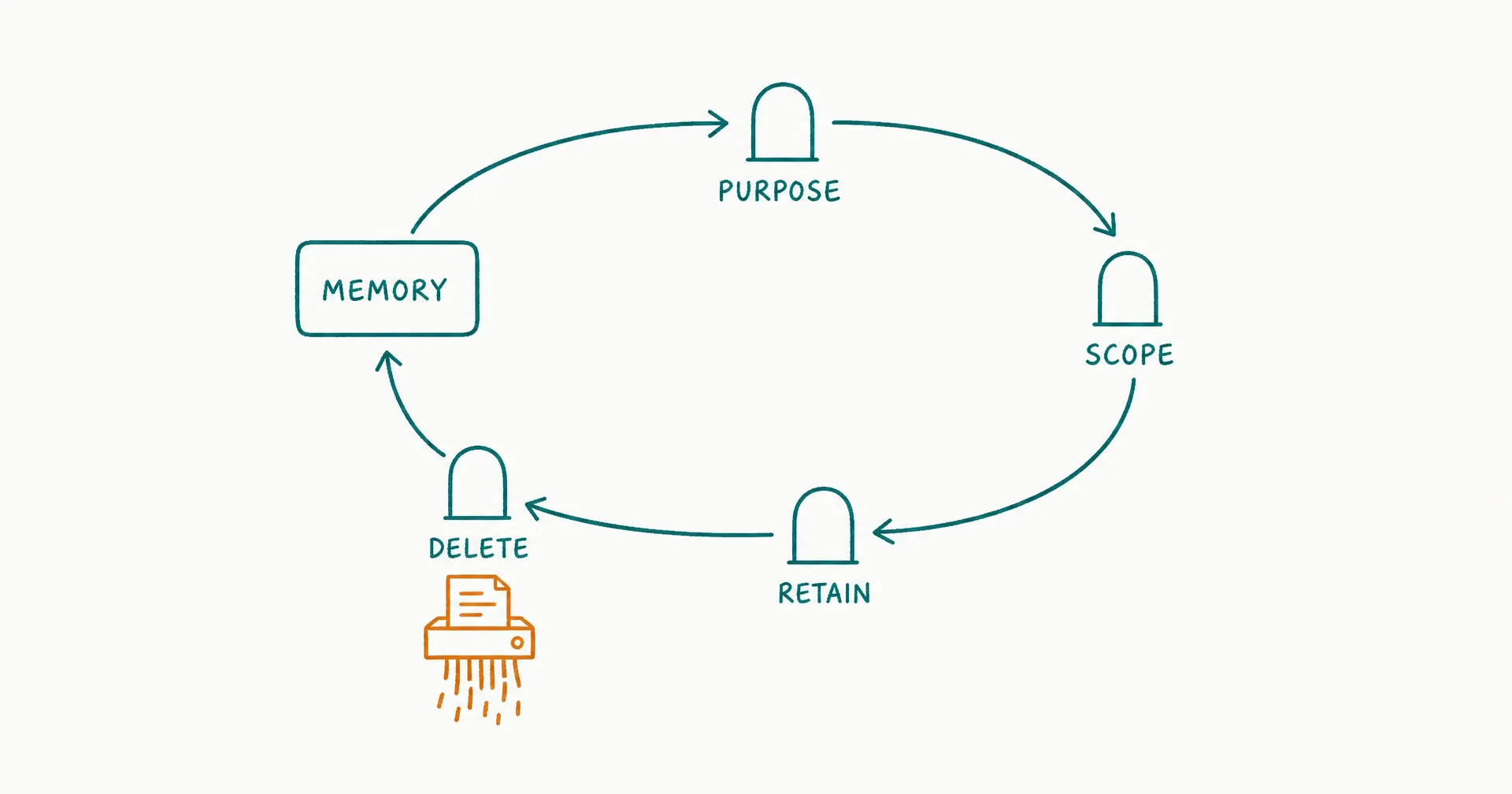
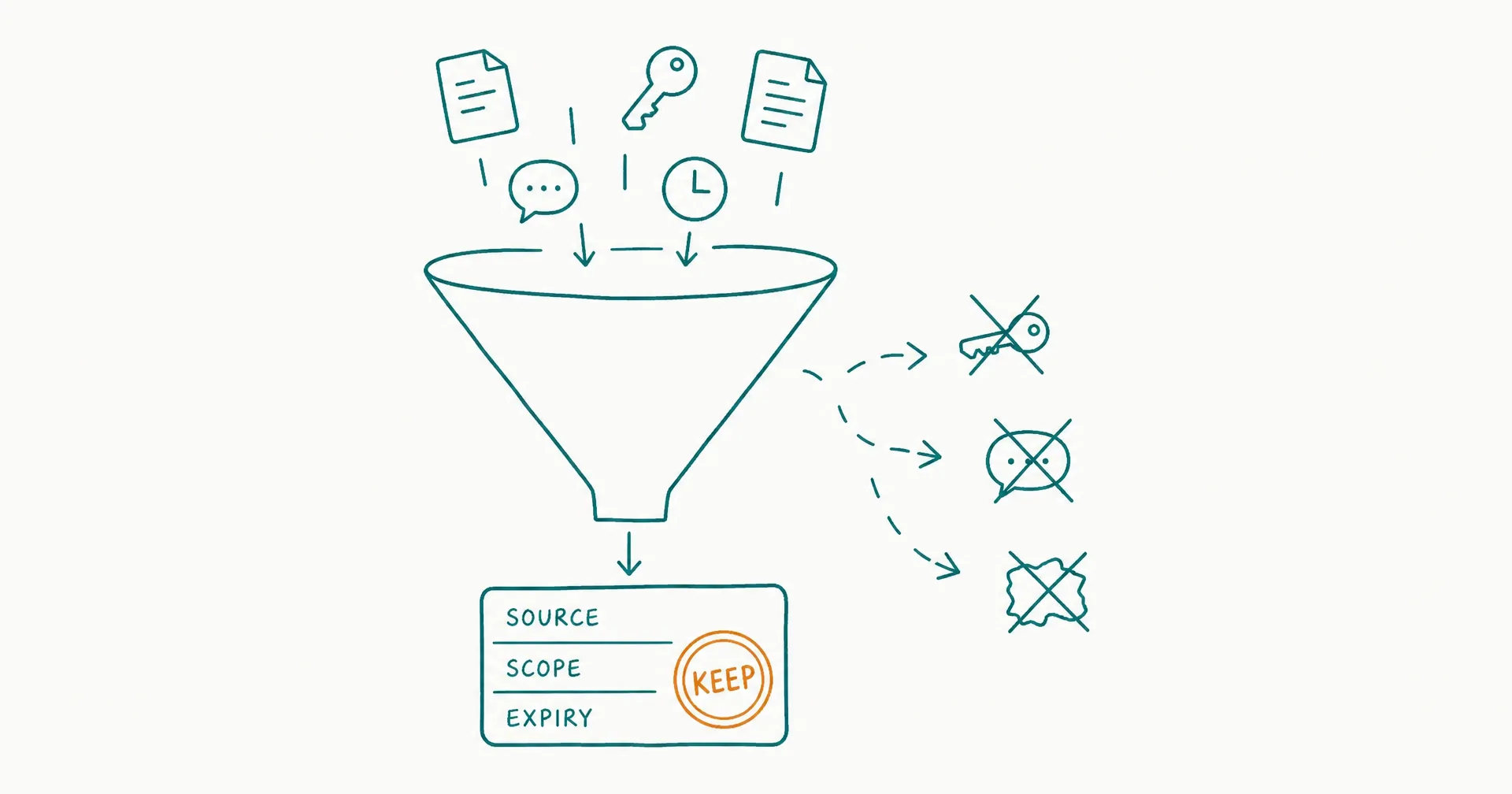
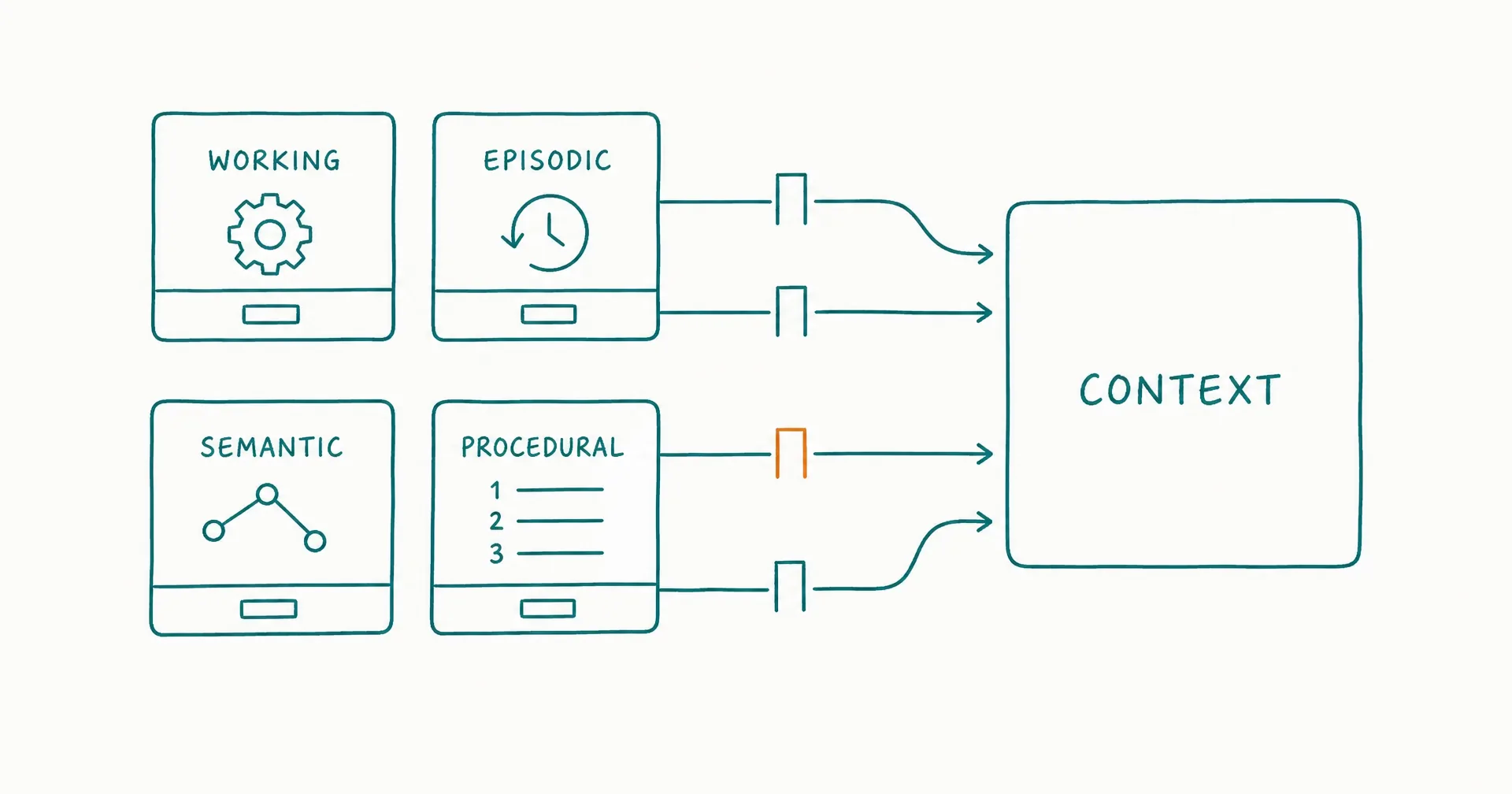
31 JUL 2026 AI Agent Memory Types: Working, Episodic, Semantic, and Procedural Four information jobs, not one memory store: working state, curated episodes with outcomes, typed semantic facts, and versioned procedures - each with its own write gate. InsightsMemory 25 min
Napkin-style sketch of four labeled memory drawers - working, episodic, semantic, procedural - feeding through gates into a small bounded context frame
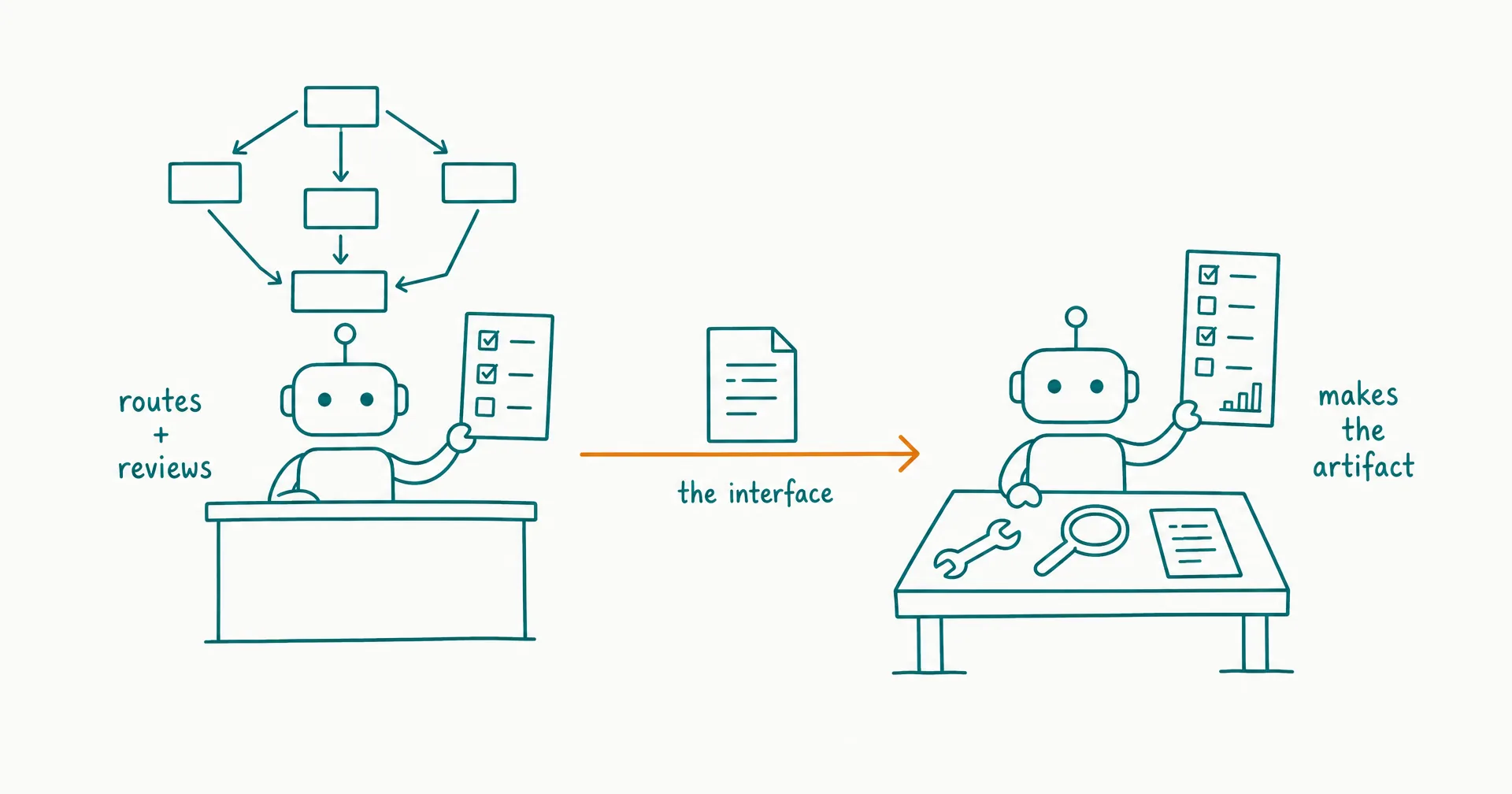
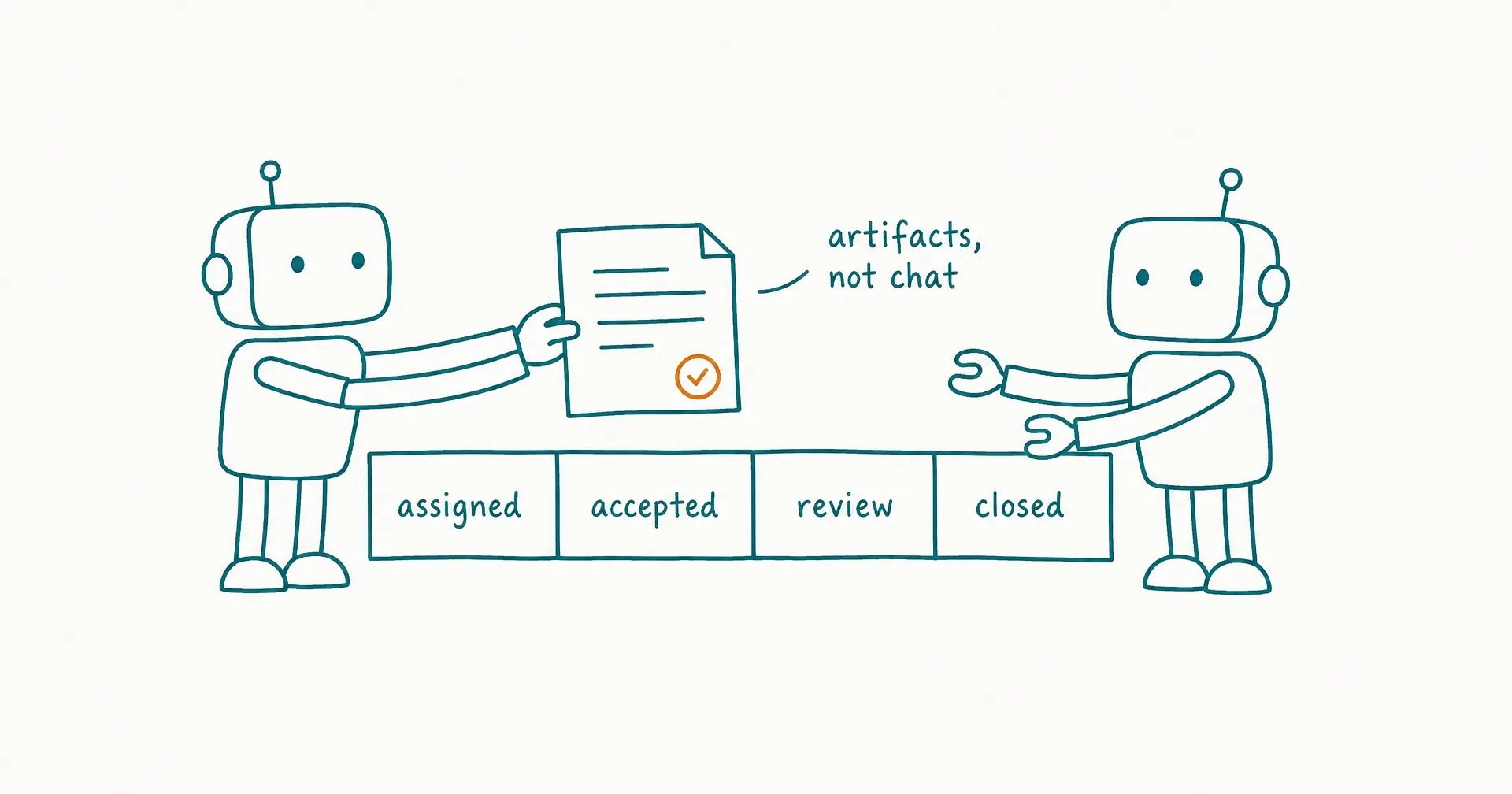
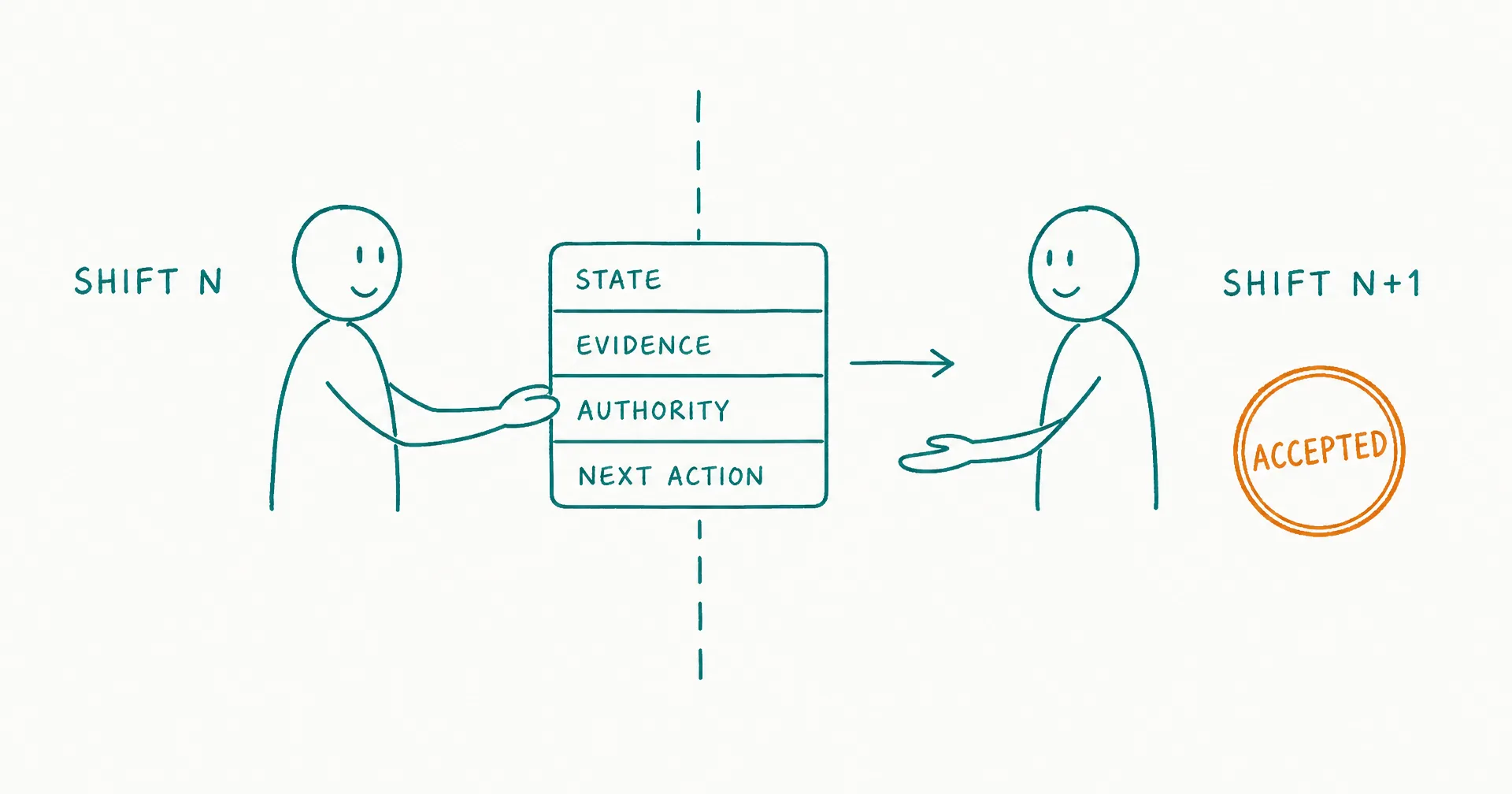
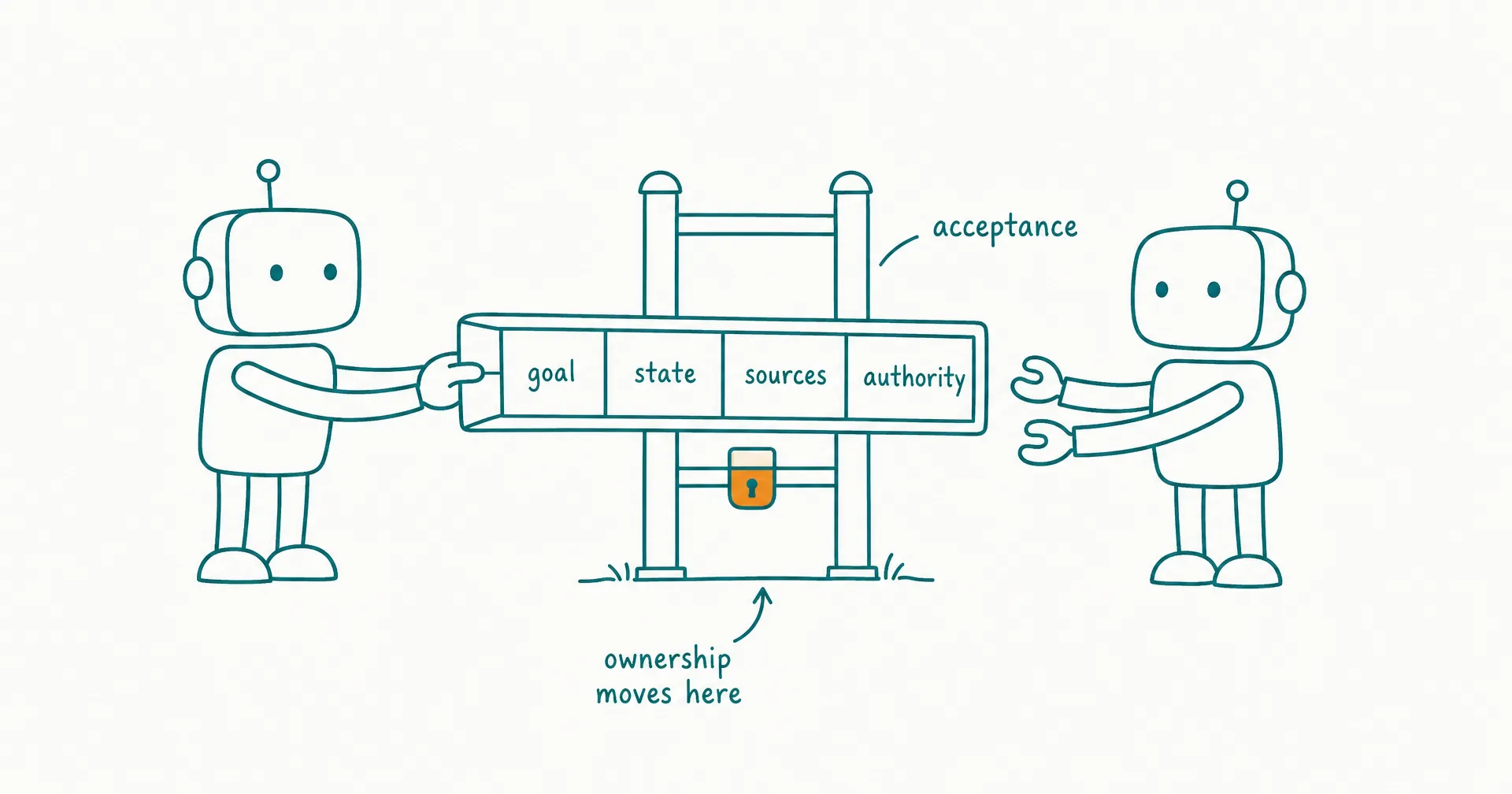
31 JUL 2026 AI Agent Handoff Protocols: What Must Travel With the Task An AI agent handoff should transfer a typed task contract, not a conversation summary. If the sender does not say whether ownership moves, both agents may act - or neither may own closure. InsightsMulti-agent 22 min
Napkin-style sketch of a robot handing a sealed packet across a gate to another robot, the packet labeled with small compartments for goal, state, sources, and authority, with an amber highlight on the acceptance gate latch
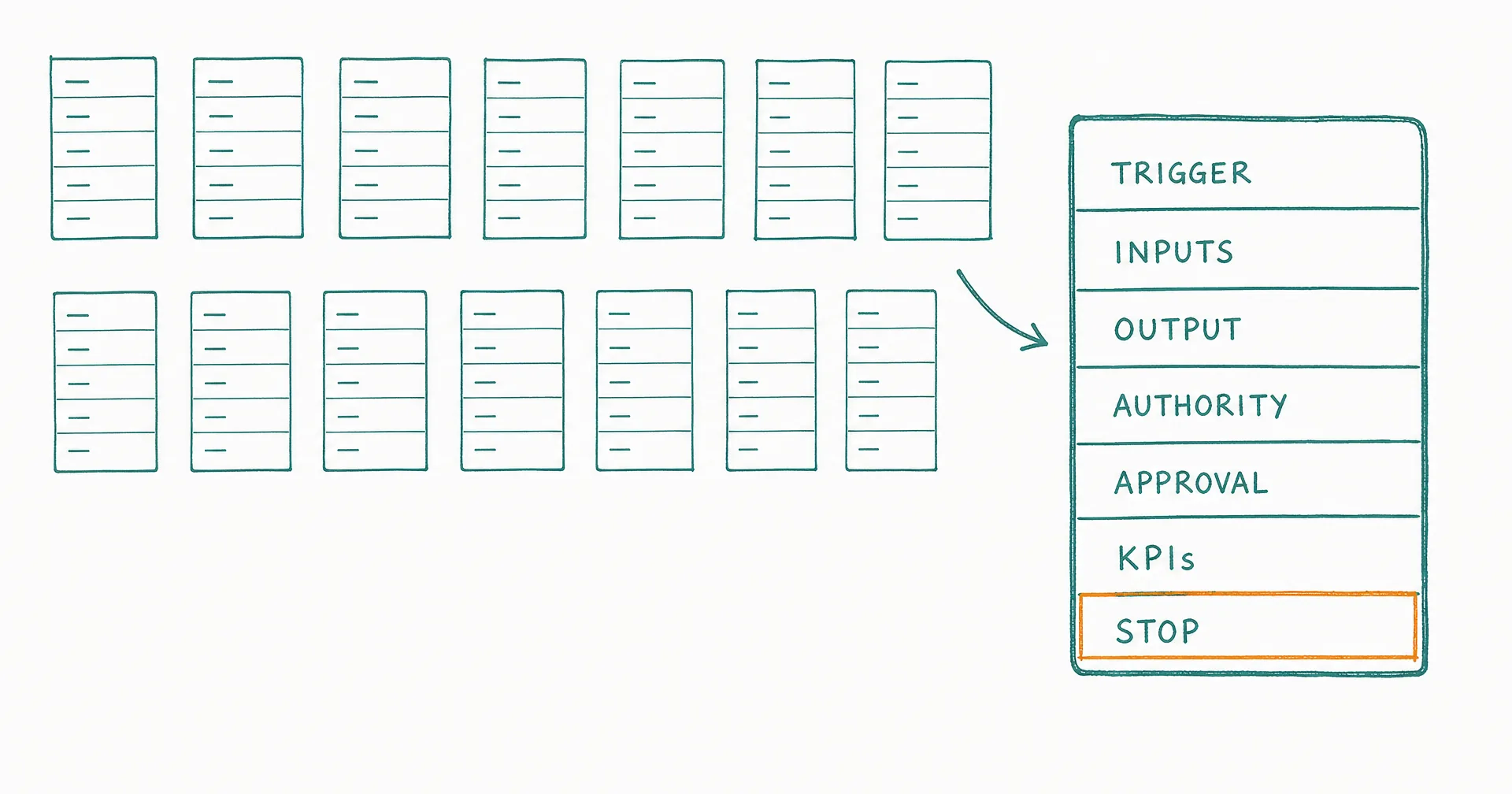
31 JUL 2026 15 AI Employee Examples, With Boundaries and Success Measures 15 role patterns - executive briefing, research, triage, bookkeeping, and more - each with triggers, permitted actions, approvals, KPIs, and the boundary where software must stop. InsightsCategory basics 19 min
Schematic gallery of fifteen AI employee role cards with one enlarged card showing labeled contract fields: trigger, inputs, output, authority, approval, KPIs, and stop
30 JUL 2026 What Is an AI Employee? The 5-Part Test for a Standing AI Worker A practical five-part test - role, continuity, initiative, agency, accountability - that separates a standing AI worker from chatbots, assistants, agents, and workflow automation. InsightsCategory basics 26 min
Schematic diagram of an AI employee operating loop: a central worker card connected by teal lines to a trigger, tools, a task board, and a handover note
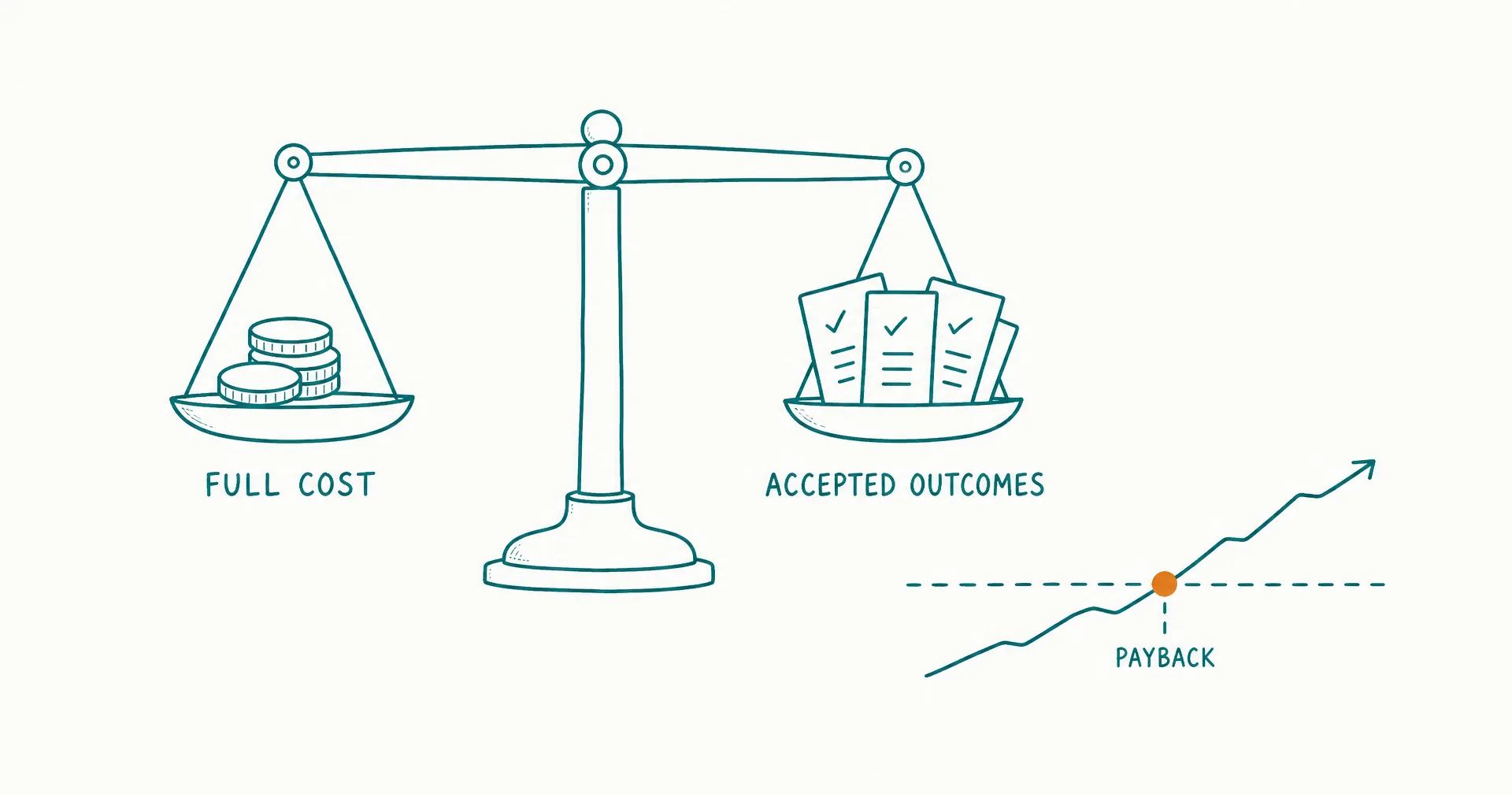
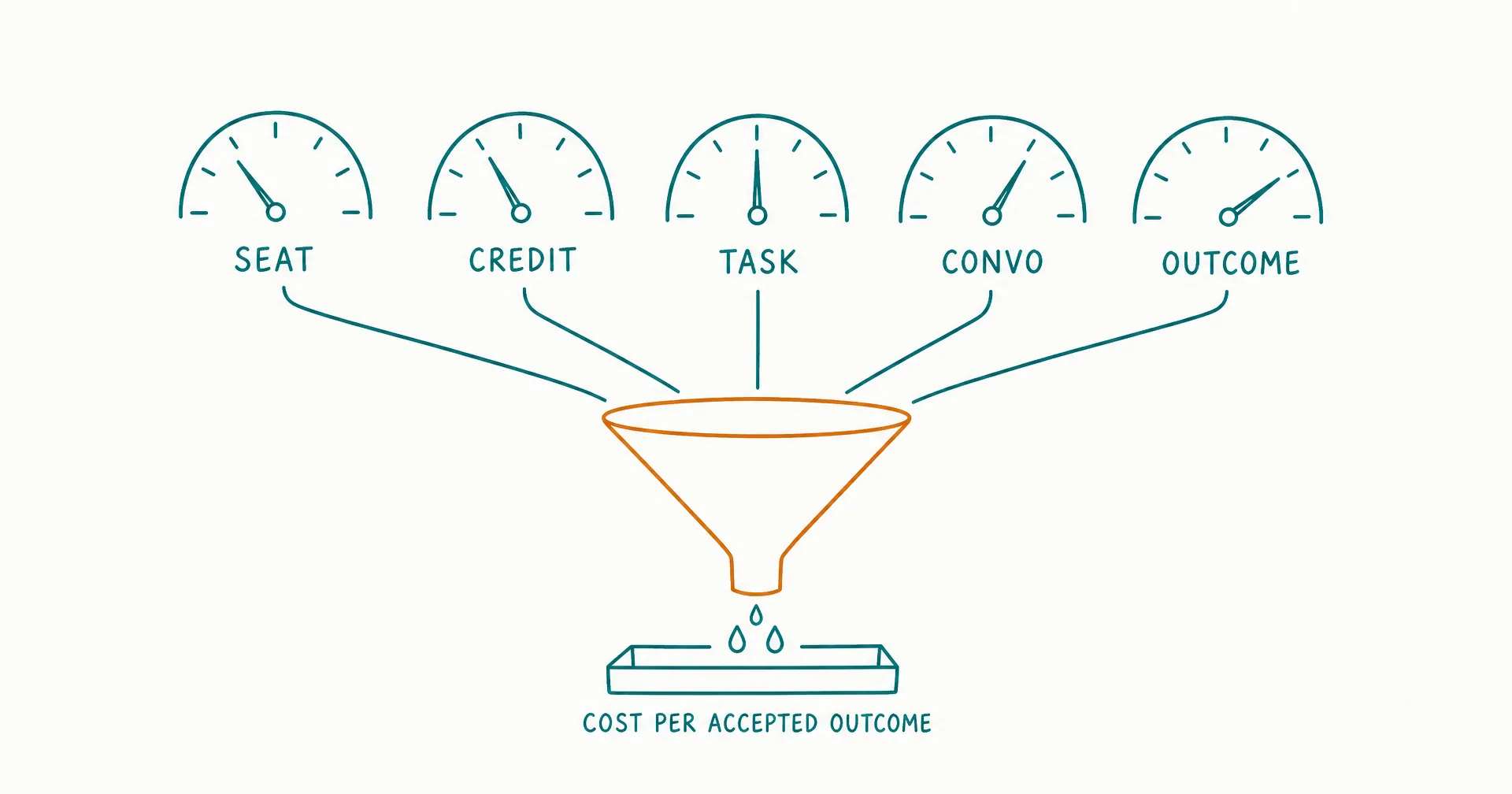
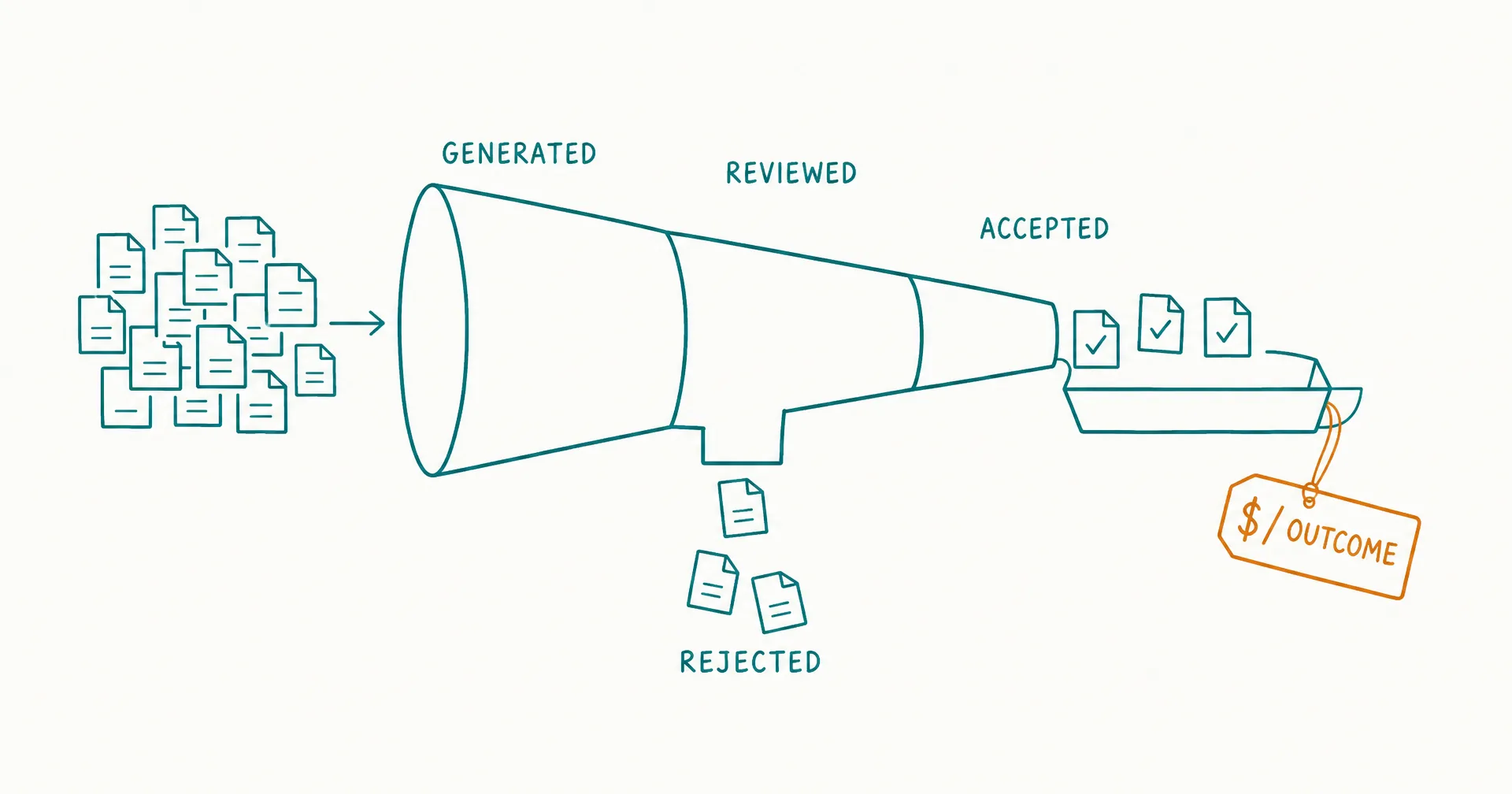
30 JUL 2026 How Much Does an AI Employee Cost? A 7-Layer Total-Cost Framework The plan price is not the total cost. Seven layers - platform, usage, setup, integrations, review, correction, monitoring - with CellCog's live pricing, two worked scenarios, and break-even math. InsightsCost & ROI 18 min
Hand-drawn iceberg diagram: platform and usage costs above the waterline, with setup, integrations, review, correction, and monitoring below it
30 JUL 2026 Digital Worker vs AI Employee: What Actually Changes? Process capacity versus role ownership - sometimes nothing changes but the label. Ten differences to test, an upgrade playbook, and a 15-point scorecard. InsightsCategory basics 19 min
Sketch contrasting a digital worker executing one mapped process with an AI employee owning a role that spans several processes
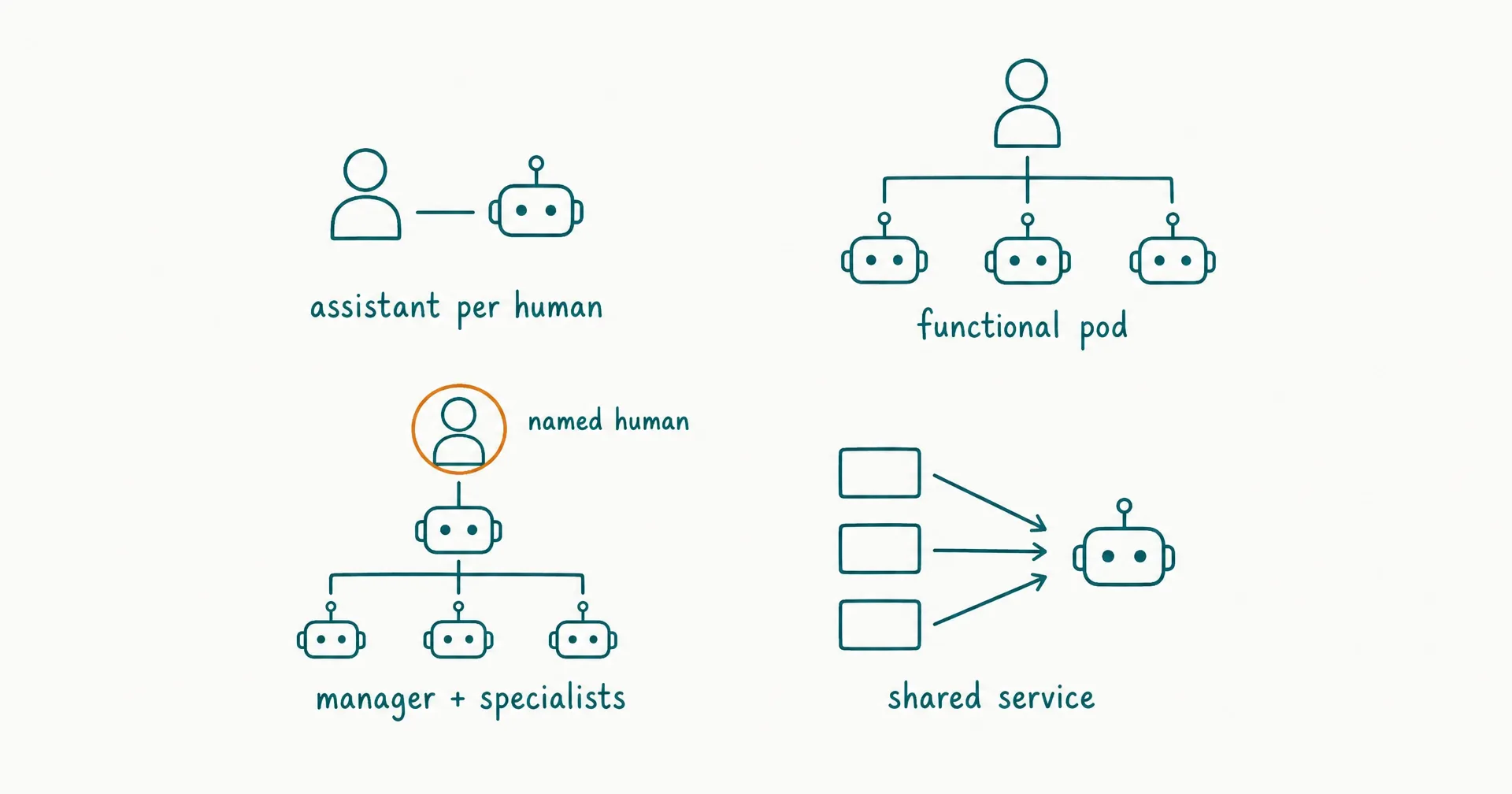
30 JUL 2026 AI Workforce vs AI Employee: One Role or an Operating System? An AI employee is one standing role; an AI workforce is the governed portfolio around many. Seven workforce tests, four operating patterns, and a five-stage scaling model. InsightsCategory basics 18 min
Sketch contrasting a single AI employee role card with a governed portfolio of several roles connected by registry, routing, and shared services
30 JUL 2026 AI Employee vs Workflow Automation: Which Should Own the Process? A workflow owns a known path; an AI employee owns a recurring outcome when the path varies. Where each wins, three hybrid patterns, and a 15-minute scoring test. InsightsCategory basics 22 min
Sketch contrasting a fixed workflow flowchart with an AI employee pursuing an outcome along a variable path
30 JUL 2026 AI Employee vs Virtual Assistant: Software or Human Support? One is software, the other is a person. Where each wins, how to run a fair pilot, and a role-splitting worksheet that usually ends in a hybrid. InsightsCategory basics 19 min
Sketch contrasting an AI employee role card working digital tasks with a human assistant handling a live conversation
30 JUL 2026 AI Employee vs RPA: Adaptive Work vs Deterministic Bots RPA executes encoded procedures; an AI employee adapts inside a governed role. Nine differences, four hybrid patterns, and a worked invoice example. InsightsCategory basics 20 min
Sketch contrasting an RPA bot replaying an exact click sequence with an AI employee choosing a path through variable evidence
30 JUL 2026 AI Employee vs Chatbot: Conversation Is Not the Same as Ownership A chatbot manages the exchange; an AI employee manages the continuing obligation. Eight practical differences, four hybrid patterns, and the silence test. InsightsCategory basics 20 min
Sketch contrasting a chat window resolving a conversation with an AI employee role carrying a case forward after the chat closes
30 JUL 2026 AI Copilot vs AI Employee: Assistance vs Delegated Ownership Co-production versus delegation: where the human sits in the loop. Nine differences, a worked pipeline-review example, and a four-week augment-to-delegate pilot. InsightsCategory basics 19 min
Sketch contrasting a copilot suggesting alongside a working person and an AI employee carrying a task queue while the person is away
30 JUL 2026 AI Assistant vs AI Employee: Help on Demand vs Owned Work An assistant helps you do the work; an AI employee carries defined work forward. Four ownership tests, the coordination tax, and a 10-question routing rule. InsightsCategory basics 30 min
Sketch of a person prompting an assistant on one side and an AI employee role working a task queue from triggers on the other
30 JUL 2026 AI Agent vs AI Employee: Capability vs Accountable Role An AI agent can complete a task. An AI employee keeps owning a bounded outcome across tasks, triggers, and shifts. Ten operating differences and a final decision rule. InsightsCategory basics 24 min
Napkin-style schematic contrasting an AI agent task loop with an AI employee role card carrying a queue, triggers, memory, and KPIs
CellCog Research 71 articles · 3 sections · 364k words